Projects
What the SEAR Lab (Sustainable and Efficient Allocation of Resources) is working on at UT Arlington, from critical-mineral supply chains to the lab's own microgrid.
Sponsored projects
 Microgrids and Second-Life Batteries
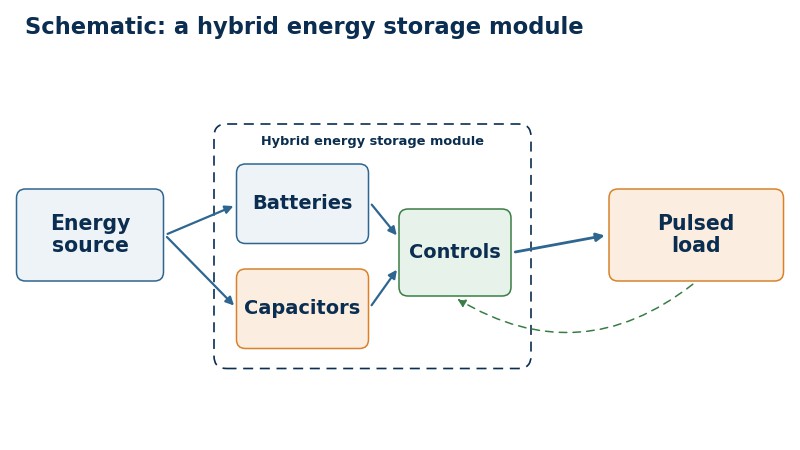
Hybrid Energy Storage Module (HESM)
Industrial, manufacturing and systems engineering (IMSE) students learn model-based systems engineering on an energy-storage problem of interest to the U.S. Department of Defense, alongside the project's electrical engineering team.
Active · 2023–2027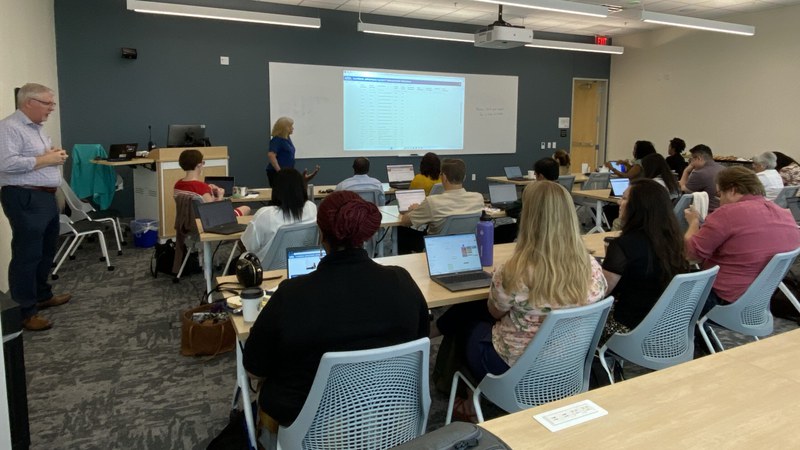 Education, Outreach and Workforce
Engineering for One Planet at UTA
A Lemelson Foundation–funded program helping UTA faculty in any discipline weave sustainability into the courses they already teach.
Active · 2023–2027
Current projects
 Critical Minerals and Supply Chains
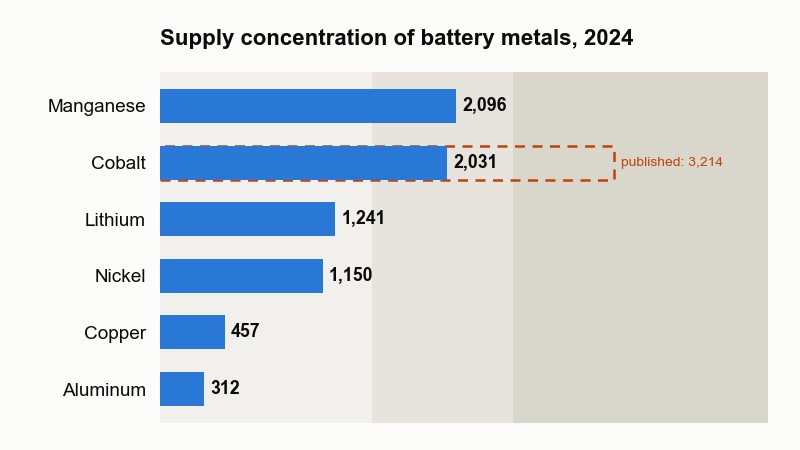
Critical Mineral Flows
How climate and trade policy shape battery-metal supply chains: who mines and processes the metals, and where they flow.
Active · 2024–present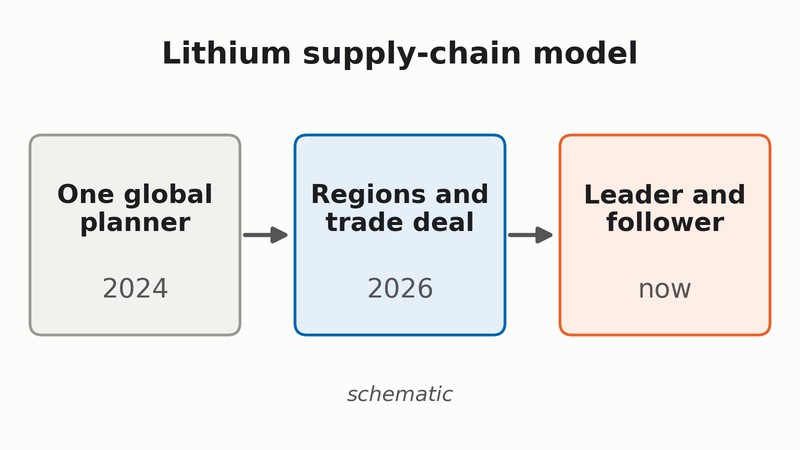 Critical Minerals and Supply Chains
Lithium Supply Chain Model
An optimization model of the lithium supply chain, from mine to battery pack, now extended to regions, trade deals and competing players.
Active · 2024–present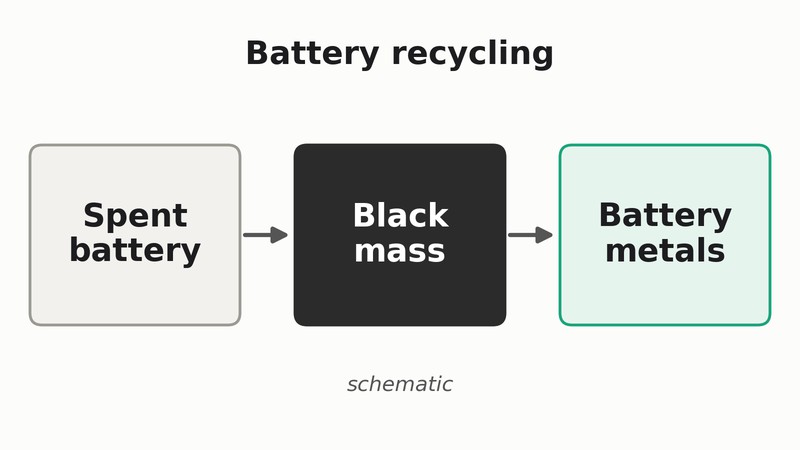 Critical Minerals and Supply Chains
Battery Recycling and Black Mass
Making lithium-ion battery recycling cheaper and more local, from grinding old cells into black mass to recovering the metals.
Active · 2024–present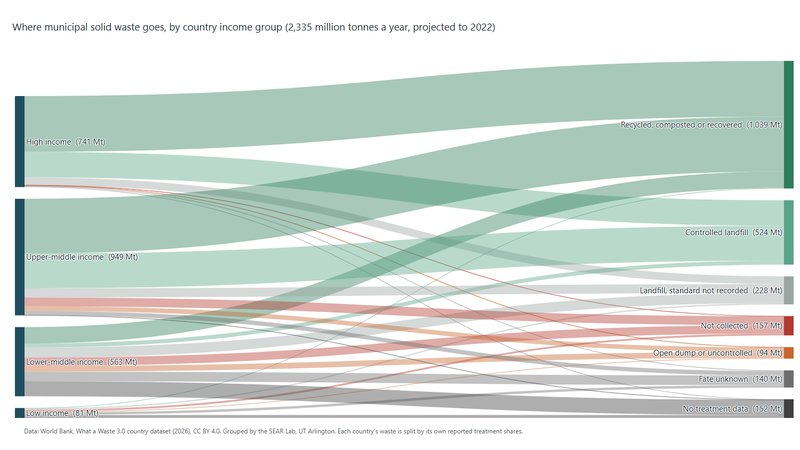 Critical Minerals and Supply Chains
Waste Analysis: Where the World's Trash Goes, and Where Nobody Knows
Tracing municipal solid waste from region to material to fate with World Bank data, and testing whether the gaps in countries' waste records follow their level of development.
Active · 2026–present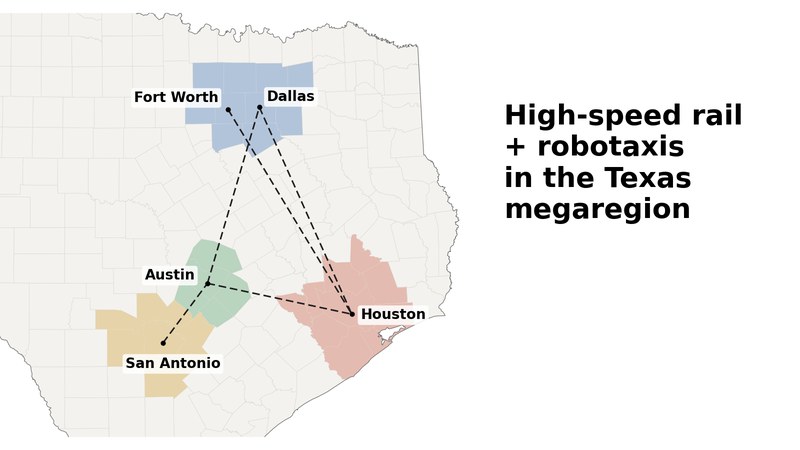 Transportation and Mobility
High-Speed Rail and Robotaxis for the Texas Megaregion
What if a Texas high-speed rail line were paired with electric robotaxis to carry travelers from door to door?
Manuscript in revision · 2026–present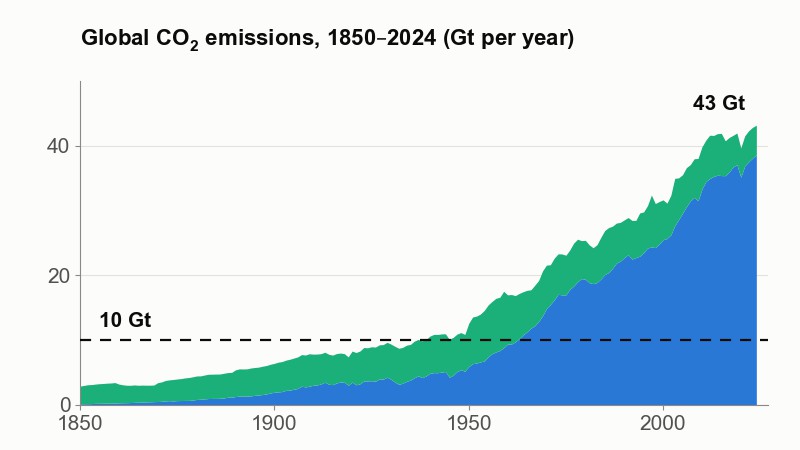 Critical Minerals and Supply Chains
From 40 to 10 Gigatons: Global Carbon Flow
Can the world cut carbon dioxide emissions from about 40 to 10 billion tonnes a year, and would the air respond?
Manuscript in preparation · 2026–present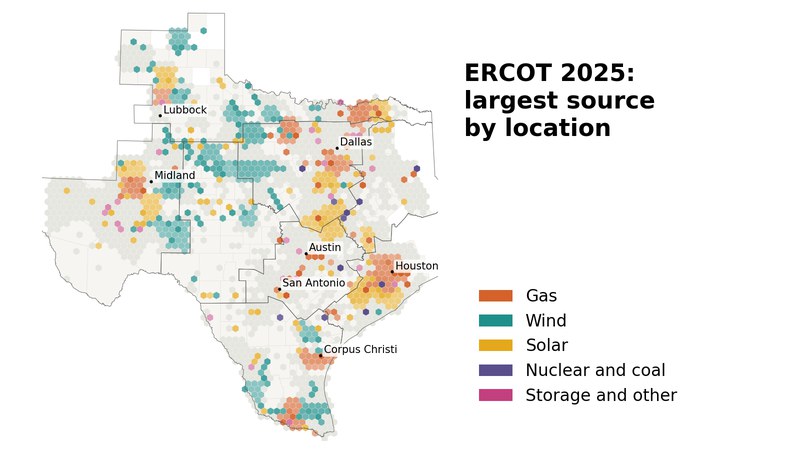 Energy Systems and Grid Analytics
Texas Grid Dashboard
How location and time of day shape which Texas power plants run, what electricity costs, and where batteries would help most.
Active · 2023–present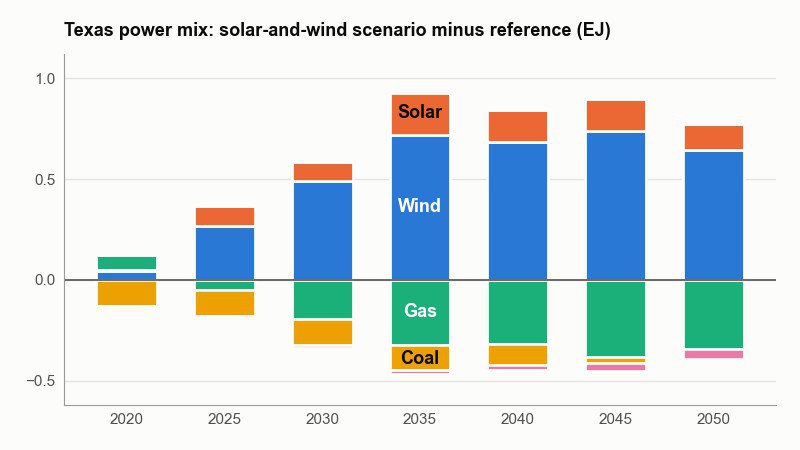 Energy Systems and Grid Analytics
Energy Systems
How Texas's changing power grid ripples through the rest of the energy system, from factories and cars to electricity prices.
Active · 2020–present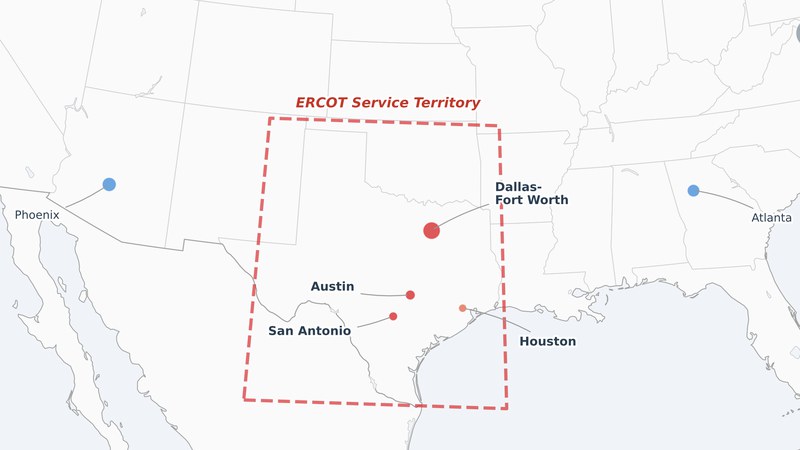 Critical Minerals and Supply Chains
AI Data Center Energy
How AI data centers can get power sooner and more reliably by building their own generation and batteries while staying on the grid.
Active · 2025–present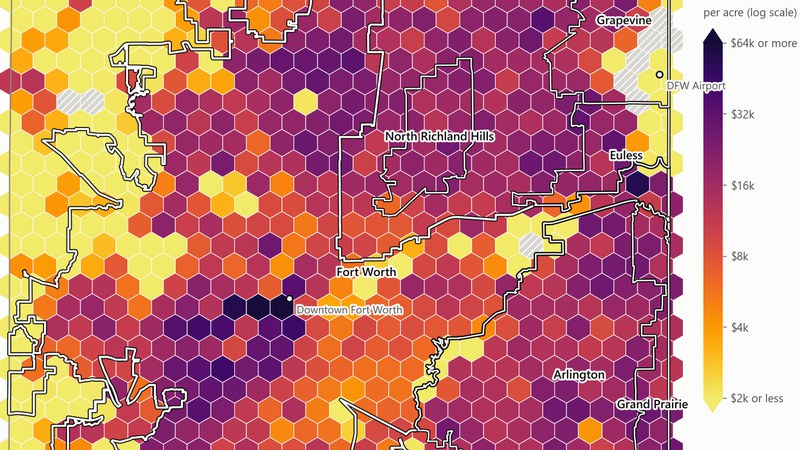 Geospatial and Infrastructure Analysis
Mapping Communities
Using maps to see how services, health and property value are spread across places, from census tracts to counties.
Active · 2023–present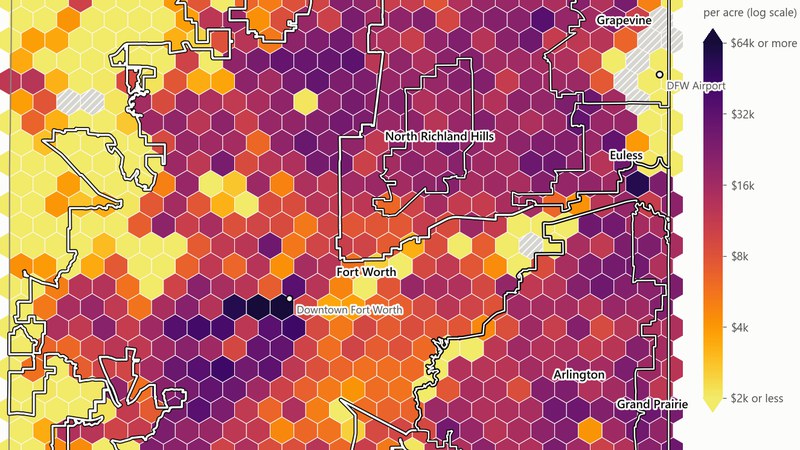 Geospatial and Infrastructure Analysis
Tarrant County Land Value: What Each Acre Pays
How much property tax each acre of Tarrant County produces, and why some areas raise less: tax rates, how much is built, or what the buildings are worth.
Active · 2024–present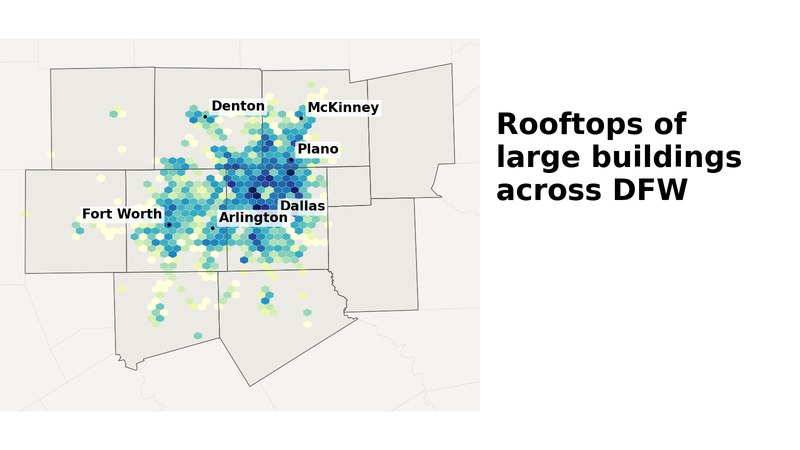 Geospatial and Infrastructure Analysis
Building Asset Mapping: Rooftop Solar Across DFW
Could solar panels on the roofs of large private buildings supply Dallas–Fort Worth's growing electricity demand right where it is used?
Manuscript in preparation · 2026–present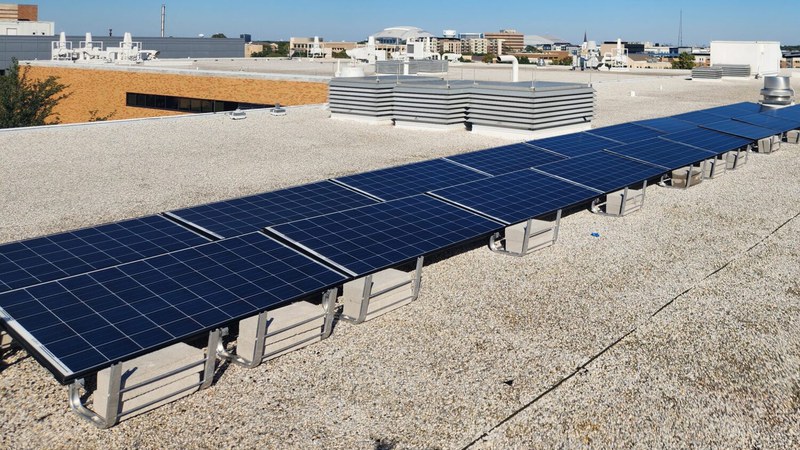 Lab Energy System
: Production, Use and Control
The SEAR Lab turns its own rooftop solar, electricity use and weather into a live dataset that students collect, analyze and learn to control.
Active · 2023–present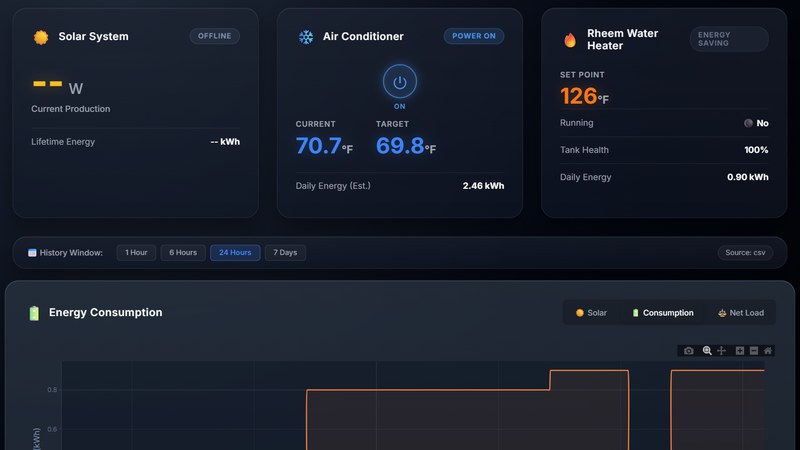 Lab Energy System
Hot-Water Heater and HVAC Data
Students connect the lab's water heater and air conditioner to software, so the lab can see, and eventually steer, how much energy they use.
Active · 2026–present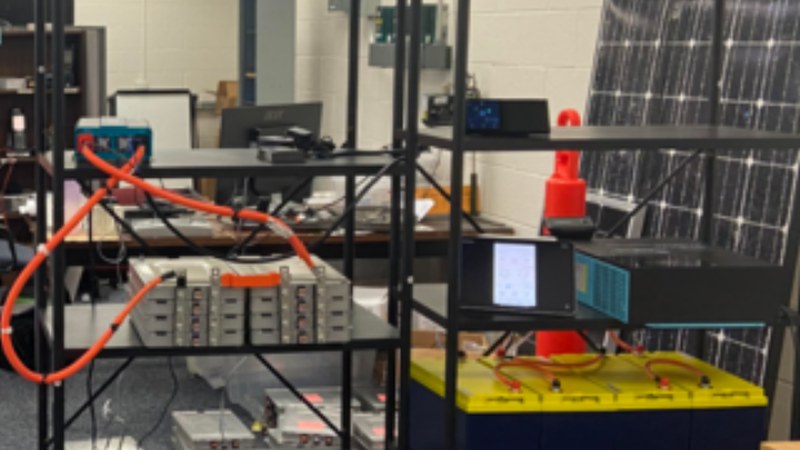 Microgrids and Second-Life Batteries
A bench-scale solar microgrid assembled from repurposed Nissan Leaf battery modules, now being recommissioned so new students can continue the work.
Recommissioning · 2022–present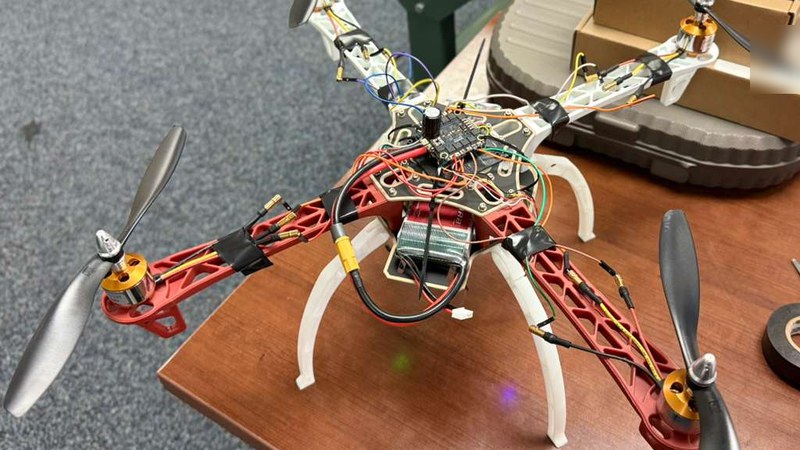 Manufacturing, Robotics and Automation
Drone Manufacturing
Students build and flight-test a small quadcopter from off-the-shelf parts and document each step so the next team can pick it up.
Active · 2026–present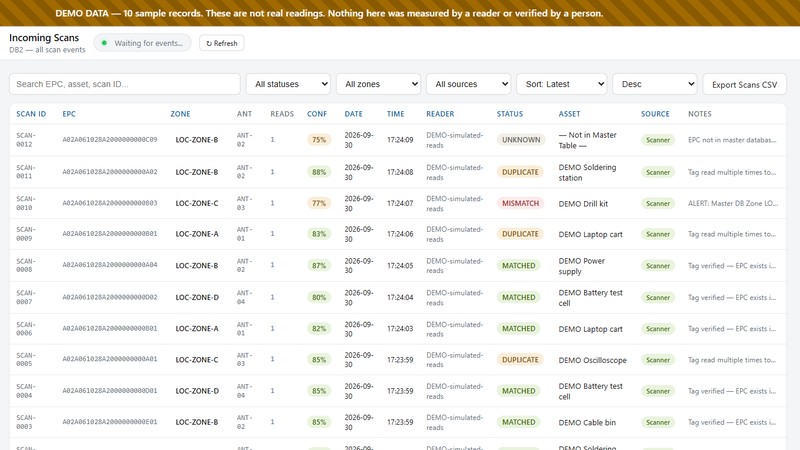 RFID, Auto-ID and Digital Twins
RFID for Lab and Supply-Chain Tracking
Turning radio-tag reads into records people can act on, tested first on the lab's own equipment and on naloxone-kit tracking.
Active · 2024–present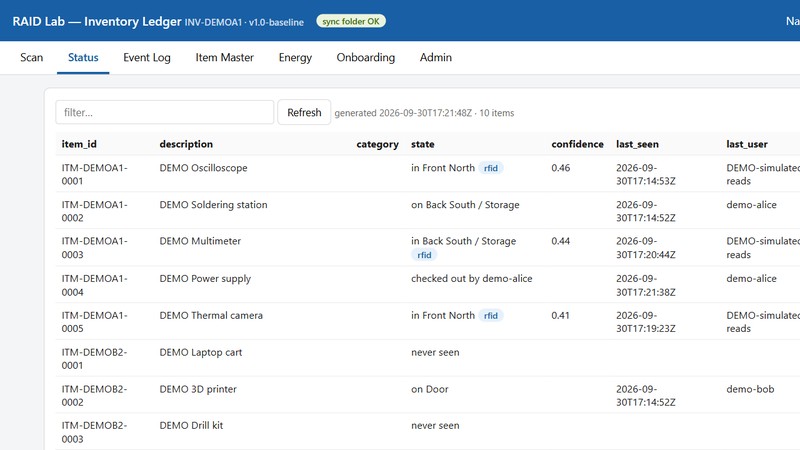 RFID, Auto-ID and Digital Twins
Lab Inventory Control Database
Students are building the lab's own system for tracking equipment and supplies, from shelf labels and barcode scans to where each item is now.
Active · 2025–present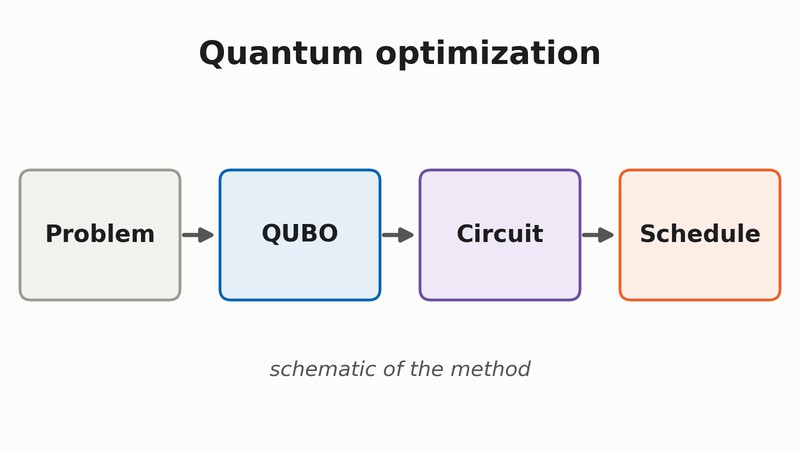 AI and Computational Methods
Quantum Optimization
Exploring how planning problems can be rewritten so quantum computers can work on them, starting with a small scheduling example.
Active · 2025–present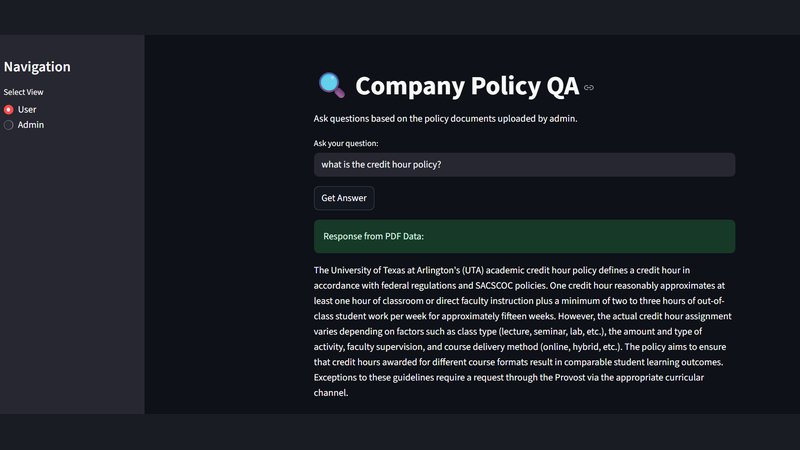 AI and Computational Methods
AI RAG Docs: A Chatbot That Cites Its Sources
A chatbot that answers questions from a set of documents and says which page each answer came from, running on local hardware where it can.
Active · 2025–present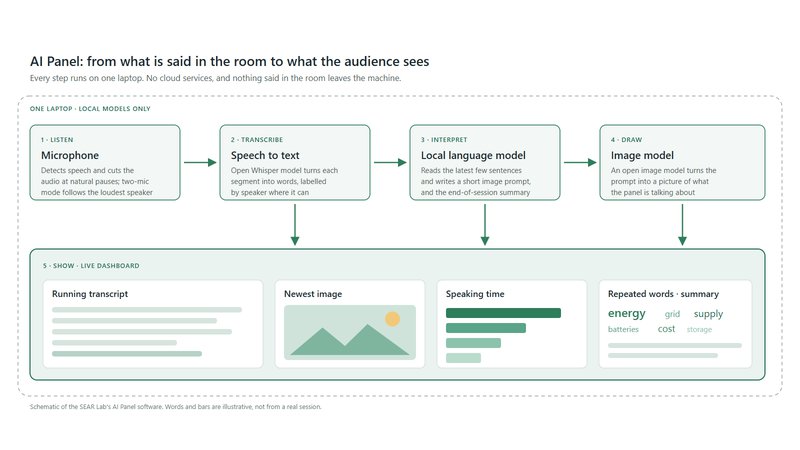 AI and Computational Methods
AI Panel: Live Transcription and Images from a Discussion
Software that listens to a panel discussion, transcribes it as people speak, and turns what they say into images, summaries and speaking-time charts, all on one laptop.
Active · 2025–present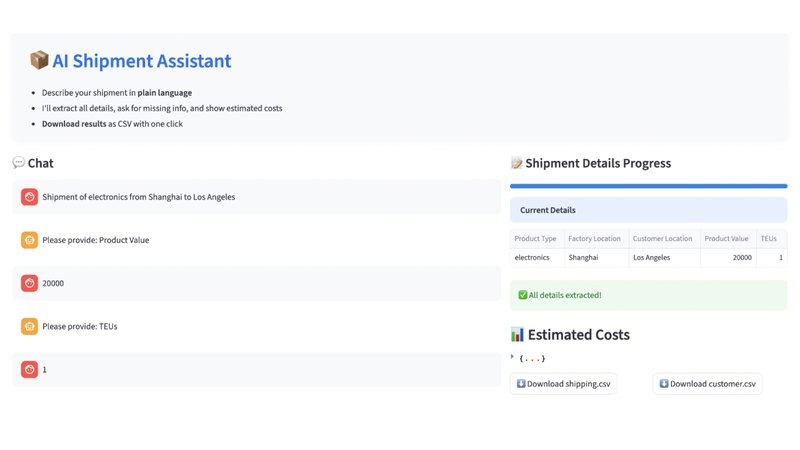 AI and Computational Methods
AI for Optimization Programming: Plain English In, Decisions Out
Using language models so that a manager can describe a shipping or supply-chain problem in plain English and get an answer, with an optimization model doing the deciding.
Active · 2025–present
Completed sponsored projects
 Green Building and Energy Efficiency
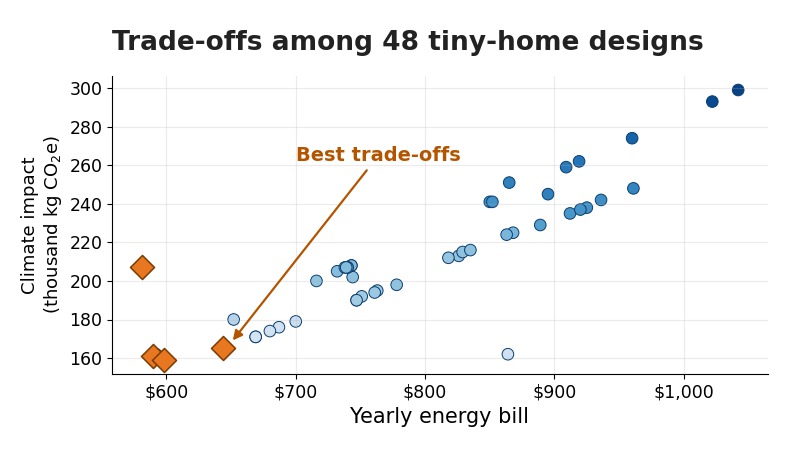
Research Experiences for Teachers: Green Building
The SEAR Lab's project in UTA's NSF RET Site: K-12 teachers evaluate green building designs and carry that research into their classrooms.
Completed · 2021–2025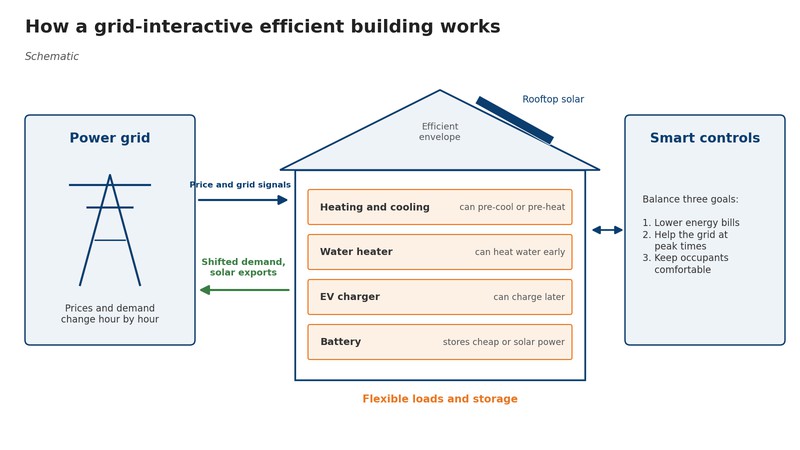 Green Building and Energy Efficiency
Grid-Interactive Efficient Buildings (NREL)
Summer 2024 work with the National Renewable Energy Laboratory on how homes can cut energy costs and support the grid.
Completed · 2024
Completed projects
 Energy Systems and Grid Analytics
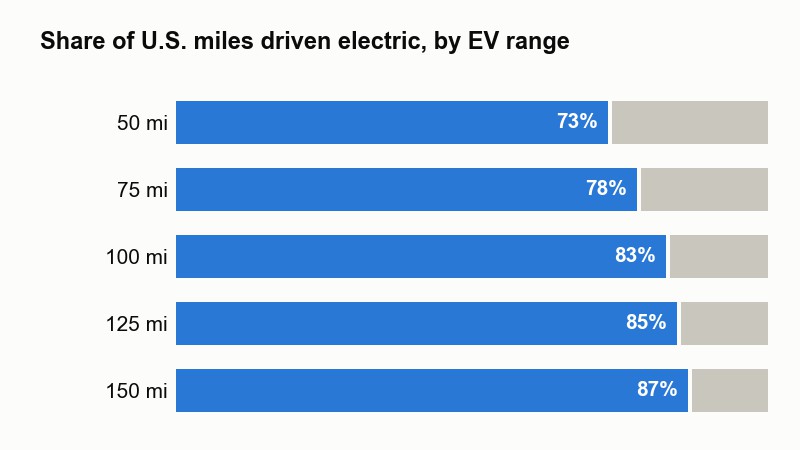
Extended-Range Electric Vehicles
How much U.S. driving an electric car with a backup gas generator could do on battery, and what range is enough.
Published · 2024–2025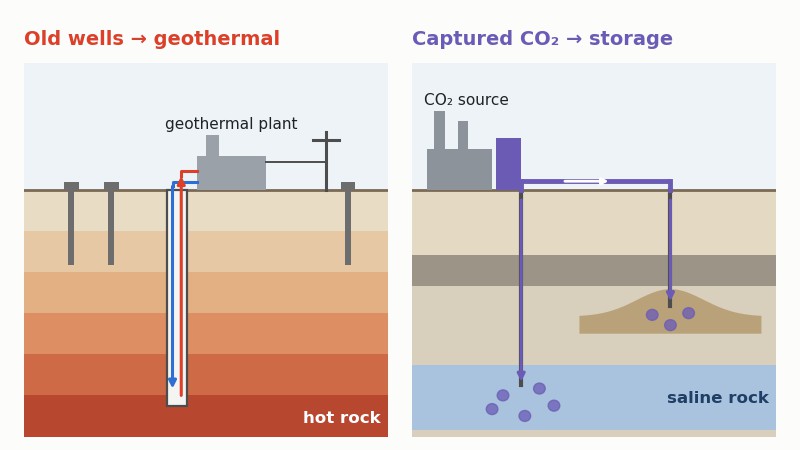 Energy Systems and Grid Analytics
Alternative Energy Solutions
Giving oil and gas infrastructure a second life: orphaned wells as geothermal plants, and depleted reservoirs and saline rock as carbon dioxide stores.
Completed · 2020–2025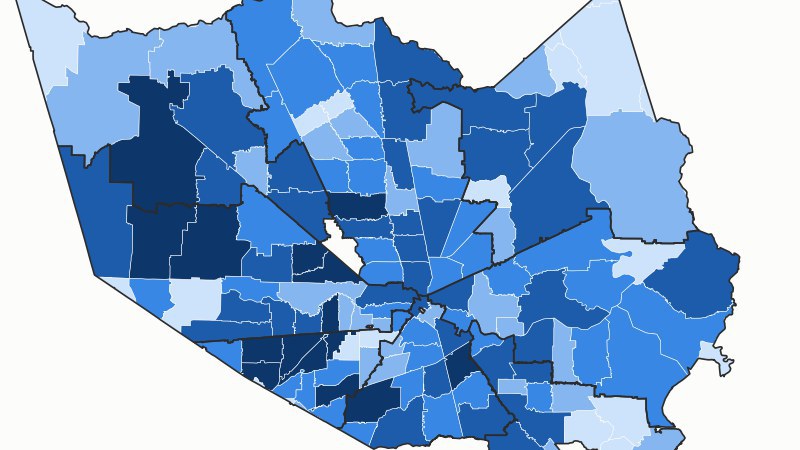 Community and Policy Analytics
COVID-19 Last-Mile Distribution
Planning how scarce COVID-19 treatments and vaccines could reach Houston's most vulnerable neighborhoods first.
Completed · 2020–2021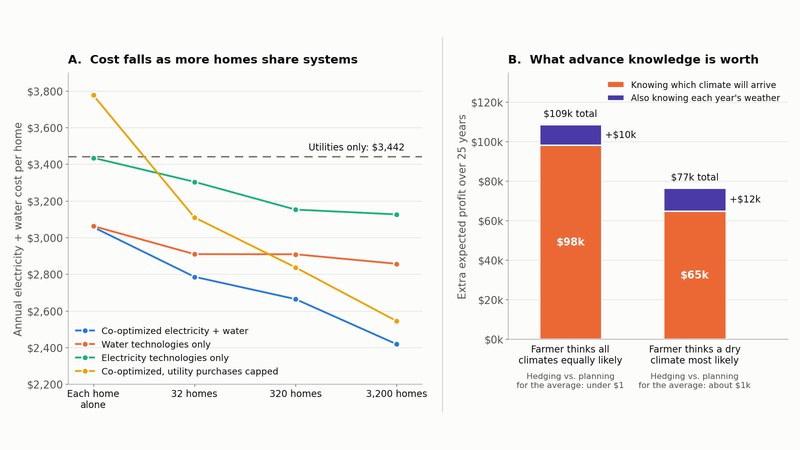 Food, Energy and Water Systems
Planning electricity and water together, for homes and farms, so that local solar, rainwater and desalination pay off.
Completed · 2021–2022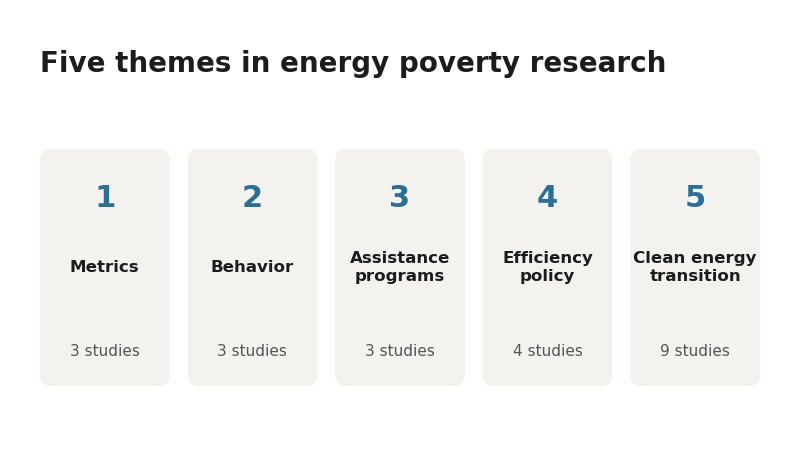 Green Building and Energy Efficiency
Energy Poverty and Energy Justice
Who goes without affordable energy, how to measure it, and what the research says about the programs meant to help.
Completed · 2020–2023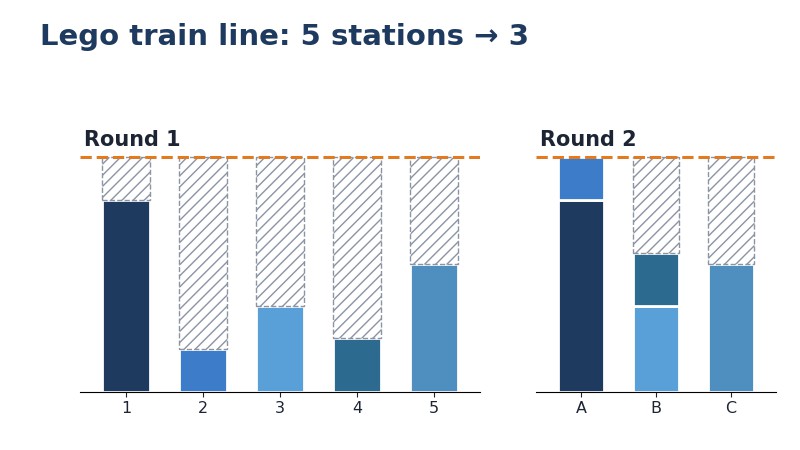 Manufacturing, Robotics and Automation
Lean Manufacturing Lego Demo
Students build a Lego train on a classroom assembly line, measure what goes wrong, fix it with lean tools and build again.
Completed · 2024–2025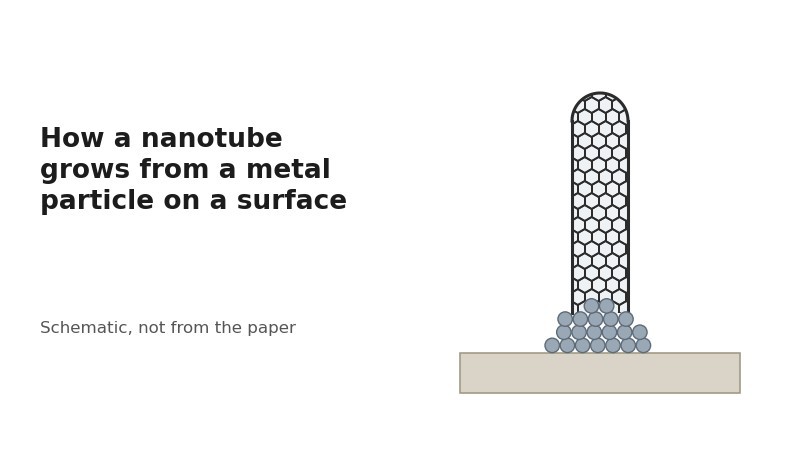 Critical Minerals and Supply Chains
Carbon Nanotube Growth
Computer simulations of how single-walled carbon nanotubes grow on metal catalyst particles, and where flaws in their walls come from.
Completed · 2011–2014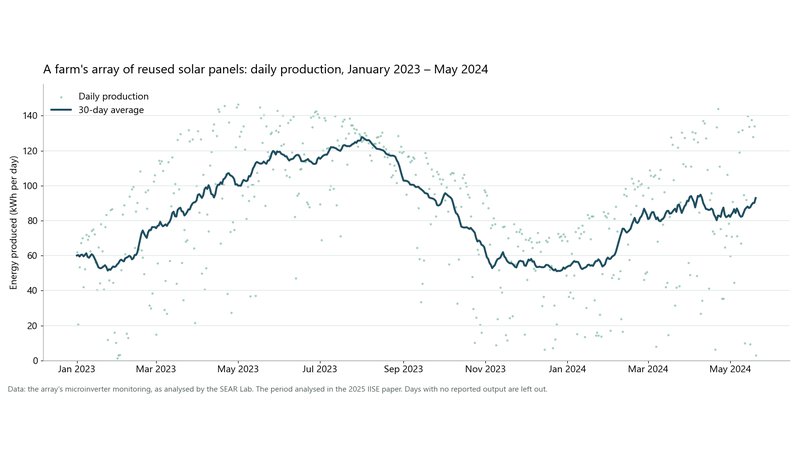 Lab Energy System
Solar Farm Analytics: How Reused Panels Hold Up
Measuring how a farm's array of second-life solar panels performs against the weather, and whether its output is slipping over time.
Completed · 2022–2025
No project matches that search.